First-Time Homebuyer Guide for the Shenandoah Valley: What to Know Before You Buy
Just preparing to buy your first home in the Shenandoah Valley means you should learn local market patterns, mortgage and down payment options, inspection priorities, and neighborhood differences so you can make informed offers. This guide walks you through budgeting, available assistance programs, timing considerations, and working with local agents and inspectors to protect your investment and streamline the closing process.
Key Takeaways:
- Know the market and lifestyle trade-offs—town vs. rural properties, seasonal inventory shifts, commute times, and proximity to schools and services.
- Secure financing and assistance—compare mortgage types (conventional, VA, USDA), pursue state/local down-payment programs, and obtain preapproval.
- Inspect property-specific risks—check floodplain status, well and septic condition, conservation easements or zoning/HOA rules, and expected maintenance or seasonal access issues.
Types of Homes in the Shenandoah Valley
| Home Type | What to expect |
|---|---|
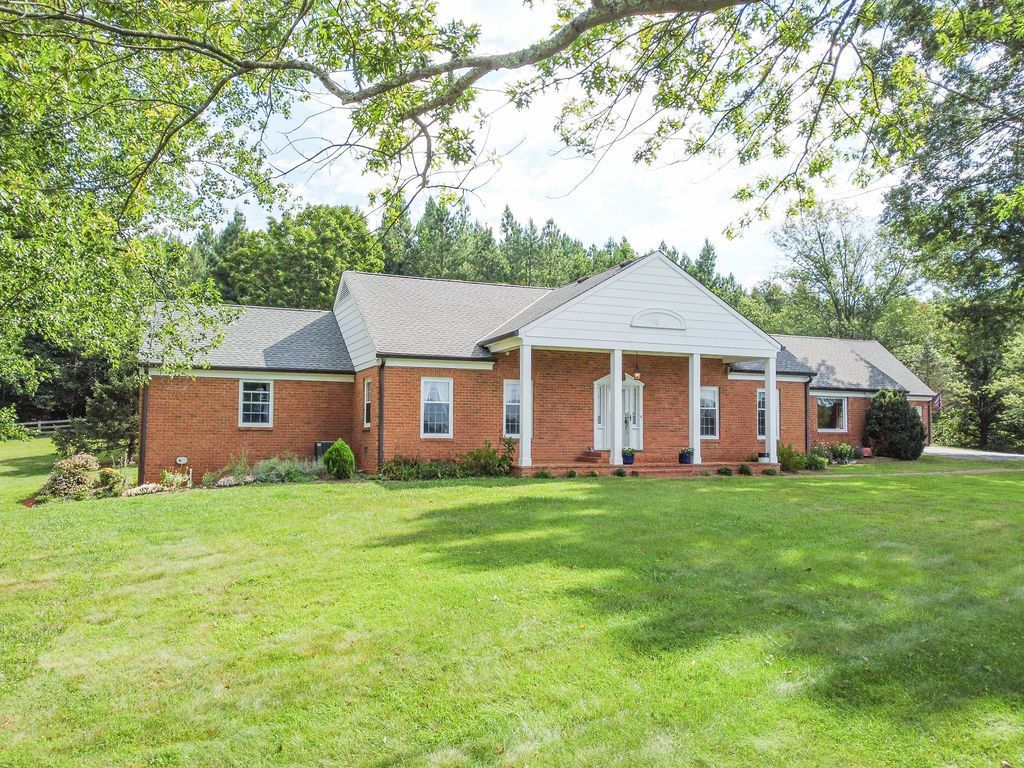
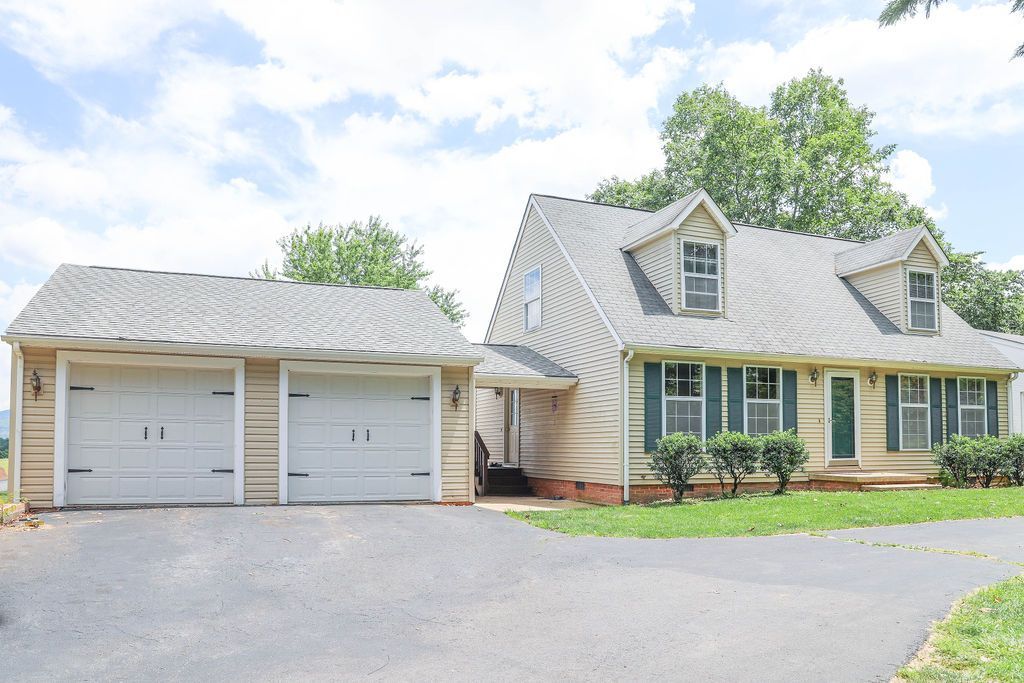
| Single-Family Homes | Detached houses, 1,200–3,000+ sq ft, lots 0.2–1+ acre; prices often $250k–$500k depending on town (Harrisonburg, Staunton, Winchester). |
| Townhouses & Condos | Lower maintenance, HOA fees $150–$400+/mo, common near downtown cores and university areas; units from ~$150k up. |
| Rural Properties | Parcels 5–100+ acres, likely wells/septic, longer commutes; price per acre varies widely by county and road access. |
| Historic Homes | Victorian/Colonial stock in towns like Staunton; expect renovation budgets, local preservation rules, potential tax credits for certified rehab. |
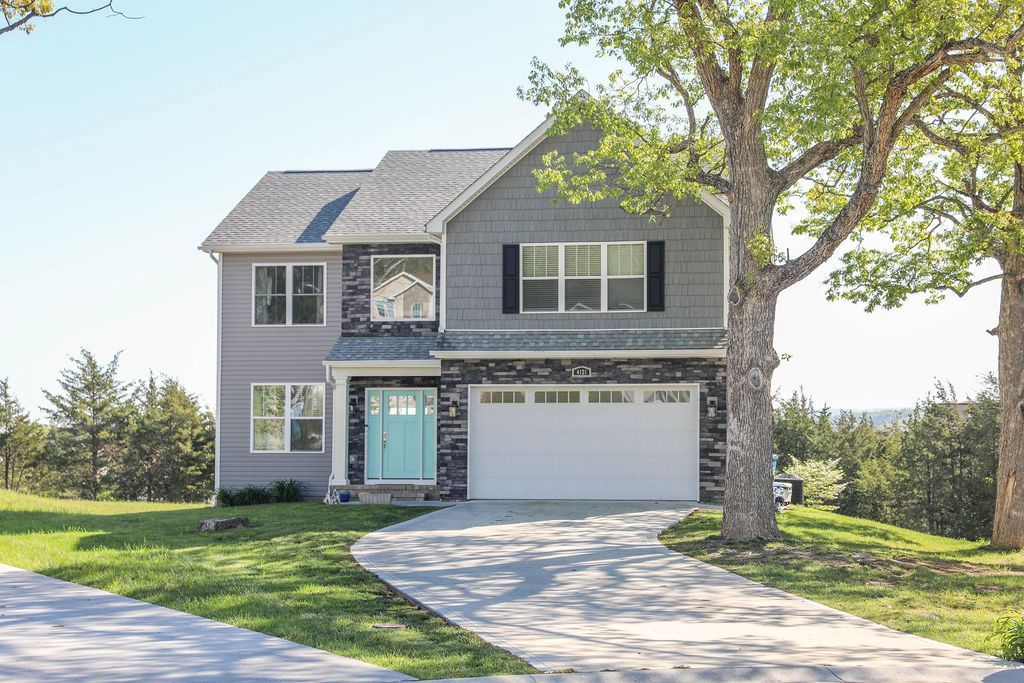
| New Construction | Subdivisions on valley fringes, builder incentives sometimes available; modern energy systems and 10-year warranties possible. |
- You’ll find single-family options with larger yards in suburbs and smaller lots closer to downtown.
- Your HOA rules can affect rentals, exterior paint, and landscaping if you choose a condo or townhouse.
- Expect to budget for well and septic inspections on rural buys and for road maintenance in some counties.
- Historic restorations often need specialist contractors and can qualify for state or federal tax programs.
- Thou should check floodplain maps and county zoning before making an offer on riverfront or hillside parcels.
Single-Family Homes
You’ll commonly see 3–4 bedroom single-family homes in Rockingham and Augusta counties with 0.3–1 acre lots; prices often range $250k–$450k, and commute times to employment centers like Harrisonburg are typically 15–30 minutes, so factor travel costs and local school districts into your offer strategy.
Townhouses and Condos
You’ll get lower maintenance and closer access to downtown amenities with townhouses and condos; units near James Madison University or Winchester’s Old Town often list from ~$150k–$300k and carry HOA fees that cover exterior upkeep and common-area insurance.
Delve into HOA documents before you bid: you should check reserve funds, pending assessments, rental restrictions, and parking allocations; financing can be stricter for condos (FHA approval varies), and you may face special assessments for roof or siding projects—plan for $150–$500+/month in regular and potential unexpected costs.
Rural Properties
You’ll encounter parcels from small 5–20 acre hobby farms to 100+ acre tracts; expect wells, septic systems, private roads, and longer service times for utilities—inspections and boundary surveys often add $1,000–$3,000 to your closing prep depending on acreage and terrain.
When evaluating rural land, check county land-use rules, timber and mineral rights, and conservation easements; examples in Shenandoah Valley counties show small-acreage hobby farms selling faster near commuter corridors while larger tracts require specialized lenders and may need investment in fencing, culverts, or bridges—budget for site work and access upgrades when estimating total acquisition costs.
Key Factors to Consider Before Buying
- Market health: sales velocity, inventory levels, and local price trends affect negotiation leverage.
- Location and amenities: schools, commute times to I‑81 or Route 33, parks like Shenandoah access, and walkability matter for resale.
- Property condition and age: expect HVAC replacements after 15–20 years, roofs at 20–30 years, and plumbing/electrical updates on older homes.
- Financing and taxes: shop local lenders for VA‑specific programs and estimate effective tax rates when budgeting.
- Thou include property taxes (about 0.6%–1.2% locally), HOA fees, and realistic mortgage payments in your affordability calculations.
Market Trends
Inventory in many Shenandoah Valley towns often cycles between 2–5 months, shifting negotiation power; in 2023 median single‑family prices ranged roughly $250k–$375k across core markets, while mortgage rates hovered near 6–7%, so you should run affordability scenarios at current rates and at least one point higher to gauge sensitivity.
Location and Community Amenities
Proximity to I‑81, employment centers in Harrisonburg, Winchester, or Staunton, and access to Shenandoah National Park (30–60 minutes from many towns) strongly influence daily life and resale; you should map commute times, school zones, and broadband availability before making offers.
Dig into specifics: check GreatSchools and county zoning maps—Rockingham and Shenandoah County schools vary by neighborhood; confirm cell/broadband providers for remote work; factor floodplain designations (FEMA maps) and well/septic availability, since utility constraints can add $5k–$25k to upfront costs.
Property Condition and Age
Homes built pre‑1980 frequently need electrical, insulation, or plumbing upgrades; expect typical component lifespans: roof 20–30 years, HVAC 15–20 years, water heaters 8–12 years—budget accordingly and prioritize inspections for foundations, basements, and drainage in valley terrain.
Get a detailed home inspection and targeted specialists: expect roof replacements roughly $7k–$15k, septic replacements $10k–$25k, and major foundation fixes substantially higher; set aside 1–3% of the home price annually for maintenance and plan immediate escrowed repairs into your closing calculations.
Step-by-Step Homebuying Process
| Pre-Approval & Budgeting
Get a lender pre-approval, gather pay stubs/W‑2s/bank statements, and set a target monthly housing ratio (around 28–31% of gross income). |
House Hunting
Prioritize neighborhoods, school zones, commute times, and inspect properties at different times; track comparable sales within 3–6 months. |
| Making an Offer
Decide earnest money (commonly 1–3% of price), contingencies (inspection, appraisal, financing), and whether to include escalation clauses. |
Closing the Deal
Complete inspections and appraisal, satisfy lender underwriting, plan for closing costs (typically 2–5% of purchase), and schedule final walk‑through. |
Expect a typical timeline of 30–45 days from signed contract to keys in the Shenandoah Valley; factor in 7–14 day inspection windows, lender underwriting that can take 7–21 days, and local recording times which may add several business days.
Pre-Approval and Budgeting
You should get pre‑approved by a local lender to know your buying power and lock in current rates; aim for a debt‑to‑income ratio under about 43% and plan for down payments between 3% and 20% depending on loan type, plus closing costs of roughly 2–5% of the purchase price and reserves for immediate repairs or HOA dues.
House Hunting Tips
Set your non‑negotiables (school, commute, acreage) and search actively—tour 6–12 homes to gauge value, compare recent sales within a 3–mile radius, and verify floodplain or well/septic conditions before making a shortlist.
- Prioritize features that save money long term, like good insulation or a newer roof.
- Visit properties at different times to evaluate traffic and noise.
- Use local comps from the past 3–6 months to spot overpricing.
- Any significant repair estimates should be obtained before you submit an offer.
When inventory is tight, widening your search radius by 10–30 minutes or considering homes needing cosmetic updates can net savings of 5–15%; also check school boundaries and tax records, and ask the seller for utility bills to estimate monthly costs.
- Look for homes with recent septic or well inspections to avoid surprises.
- Factor in travel time during peak hours, not just off‑peak drives.
- Compare HOA fees and covenants when evaluating value.
- Any competitive market will reward clean, well‑documented offers with proof of funds.
Making an Offer
Submit an offer that balances competitiveness and protection: include earnest money (1–3%), clear inspection and financing contingencies, an expected closing date, and proof of funds or mortgage pre‑approval to strengthen your position.
In a multiple‑offer situation consider an escalation clause tied to a specified cap, offer seller concessions for closing flexibility, or waive certain contingencies only after consulting your agent and lender; typical inspection periods are 7–10 days, appraisal gaps can be covered with a pre‑established buffer, and clear response deadlines (24–48 hours) keep negotiations efficient.
Closing the Deal
Complete inspections and any negotiated repairs, confirm the appraisal meets the contract price, finalize mortgage underwriting, and bring certified funds for closing costs and down payment; expect title search, title insurance, and a final walk‑through within 24–48 hours before closing.
Coordinate with your lender and title company to review the Closing Disclosure at least three days before signing, wire funds only after confirming instructions directly with title, and verify deed recording timelines; when issues arise, contingency holdbacks or escrowed repair funds are common solutions to keep the transaction moving.
Pros and Cons of Buying in the Shenandoah Valley
| Affordability
You can often buy single‑family homes for roughly $200k–$400k depending on town, letting you afford larger lots or recent renovations compared with many East Coast metros. |
Fewer high‑paying jobs
Outside Winchester and Harrisonburg, local wages skew lower, so you may need to commute or rely on remote work to match metro salaries. |
| Outdoor access
You’re minutes from Shenandoah National Park, Skyline Drive, and thousands of acres of public land for hiking, fishing, and skiing. |
Limited public transit
You’ll likely depend on a car: regional transit is sparse and intercity rail options are minimal. |
| Community feel
Smaller towns like Staunton and Woodstock offer tight‑knit neighborhoods, local festivals, and lower crime rates than many urban areas. |
Slower resale in rural areas
Homes off main corridors can sit longer on market; resale velocity varies widely by school district and commute time. |
| Lower taxes & costs
Property tax rates and overall cost of living are often below Northern Virginia levels, stretching your monthly housing budget further. |
Variable school quality
School ratings differ town to town; you’ll need to vet districts if K‑12 options matter for your family’s future value. |
| Diverse housing stock
You’ll find historic Victorians, new subdivisions, and farm properties, letting you match style and investment goals. |
Limited specialty services
Specialized medical care, niche retail, and some professional services may require trips to larger regional centers. |
| Investment potential
College towns like Harrisonburg (James Madison University) and Winchester see steady rental demand from students and professionals. |
Seasonal tourism impacts
Traffic and short‑term rental competition spike in fall leaf season and summer, affecting privacy and maintenance costs. |
Advantages
You’ll find strong value—many families secure 3‑4 bedroom homes on an acre for well under metro prices, and towns within 30–60 minutes of Shenandoah National Park give daily outdoor access; plus college towns like Harrisonburg produce steady rental demand if you want income property.
Potential Drawbacks
You may face longer commutes and limited transit, and local employment markets often pay less than nearby metro areas, so your household income mix matters when choosing a town; resale time varies widely by school zone and proximity to highways.
Digging deeper, rural lots can bring maintenance costs—septic, wells, and private road upkeep add expenses that aren’t obvious at listing. Also, during fall tourism peaks some towns see heavy traffic and short‑term rental pressure that can raise insurance and property management needs, so factor those line items into your budget and due diligence.
Essential Tips for First-Time Homebuyers
Prioritize a 1–3% repair reserve, and target neighborhoods where properties sell within 30–45 days to avoid overpaying; if the median list time in your town is 22 days, move quickly. Compare offers by tracking comparable sales from the past 90 days within a mile. Negotiate appraisal and inspection contingencies, aim for a 20% down goal but consider 3–5% options if needed. Thou focus on long-term resale and commute costs.
- Get a pre-approval to know your price range and show sellers you’re serious.
- Budget 2–5% of the purchase price for closing costs plus a 1–3% repair buffer.
- Order a local inspector and review past 3 comparable sales before bidding.
Working with Real Estate Agents
Interview at least three agents and ask for three recent buyer-side closings in the Shenandoah Valley from the last 12 months; verify average days on market and list-to-sale price ratio. Expect typical commissions totaling 5–6% with roughly 2.5–3% to the buyer's agent, though seller usually pays. Insist on a written buyer-broker agreement, check online reviews, and choose someone who shows familiarity with county taxes and school districts you care about.
Understanding Financing Options
Compare FHA (3.5% down with a 580 credit score), conventional low-down programs (as low as 3% down), VA loans (0% down for eligible veterans) and USDA loans for qualifying rural addresses; check income limits. Lenders often cap debt-to-income near 43% for conventional loans, and PMI applies under 20% equity. Get pre-approved—lenders typically issue letters within 24–72 hours—so you know your price range before bidding.
For a $300,000 purchase, a 3.5% FHA down payment is $10,500 and closing costs often add $6,000–$15,000 (2–5%); on conventional loans, putting 20% down avoids PMI, while PMI can cost 0.3–1% of the loan annually. Check credit: lenders prefer 620+ for conventional best terms and 580+ for FHA 3.5% programs; scores under 580 usually need 10% minimum. Lock rates when approved—small differences like 0.25% change a monthly payment by tens to hundreds of dollars.
Resources for Homebuyers in the Shenandoah Valley
Local Housing Programs
You can tap state and federal programs: Virginia Housing (VHDA) offers down-payment assistance and affordable mortgages; FHA loans accept 3.5% down while VA and USDA loans can permit 0% down for eligible buyers. Local nonprofits like Habitat for Humanity of the Shenandoah Valley and county housing offices in Augusta, Rockingham, Page, and Warren run workshops and income-based programs. HUD-approved housing counselors in the region can walk you through qualifying, required documents, and application timelines.
Recommended Websites and Tools
You should use Realtor.com, Zillow, and Redfin to track listings, set alerts, and view sale history. Check VirginiaHousing.com, HUD.gov, and USDA.gov for program eligibility and application forms. Rely on GreatSchools.org for school ratings and county GIS portals (Augusta, Rockingham, Page) to verify parcel boundaries, floodplain and tax info. You can compare mortgage rates and payment estimates on Bankrate or NerdWallet and access local MLS data through a buyer’s agent for the freshest inventory.
Set saved searches on Redfin or Zillow filtered by town, price, beds, and acreage so you get instant alerts when inventory shifts; you’ll often see a 20–30% inventory uptick in spring in parts of the Valley. Use Redfin’s sold-price filters and market trends to inform offer strategy, then cross-check lot lines and easements on county GIS. For financing scenarios, plug numbers into Bankrate’s mortgage calculator and prequalify through VirginiaHousing or a local lender before submitting offers.
Final Words
Now you can confidently navigate the Shenandoah Valley market: set a realistic budget, obtain mortgage preapproval, partner with a local agent, schedule thorough inspections, and weigh commute, schools, and resale potential so your purchase aligns with your long-term goals.
FAQ
Q: What should a first-time buyer know about neighborhoods and market conditions in the Shenandoah Valley?
A: The Shenandoah Valley spans small towns and rural areas with very different lifestyles and price points. Cities like Harrisonburg and Winchester offer more job options, amenities, and higher inventory; towns such as Staunton, Waynesboro, and Woodstock give a small-town feel with easy access to outdoor recreation. Rural parcels are common and can be less expensive per acre but carry maintenance and utility considerations. Inventory fluctuates seasonally—spring and summer typically have more listings—so timing affects selection and competition. Commuting distances matter: parts of the valley are within commuting range of Charlottesville, Richmond, and the D.C. metro, but commutes can be long. Local schools, broadband availability, and county tax rates will influence resale value and day-to-day life. Work with an agent who knows the valley’s micro-markets and recent sales to match your priorities (commute, schools, land, historic district) to neighborhoods that fit your budget.
Q: What property issues are specific to the Shenandoah Valley that I should inspect or investigate before buying?
A: Typical region-specific items include wells and septic systems on rural lots—have a licensed septic inspection and well flow and water quality testing done. Flood risk is a concern along the Shenandoah and its tributaries; check FEMA flood maps and ask about local drainage or past flooding. Many older homes may be in historic districts with renovation restrictions or have aging systems (roof, foundation, chimneys); get a full home inspection and, for older houses, a specialist inspection for structural, pest, and lead paint issues. Radon testing is recommended because levels can be elevated in parts of the valley. If the property includes steep slopes or outbuildings, verify access, driveway maintenance, and building permits. Also inquire about conservation easements, mineral rights, and any HOA rules if applicable.
Q: What financing, assistance programs, and steps should a first-time buyer pursue when purchasing in the Shenandoah Valley?
A: Start with mortgage pre-approval to set a realistic price range. Explore loan options common in the region: conventional, FHA, VA (for eligible veterans), and USDA Rural Development loans for qualifying rural properties with low-to-moderate incomes. Virginia Housing offers down payment and closing cost assistance programs for first-time buyers and income-qualified applicants; some counties and local nonprofits run grant or matched-savings programs as well. Factor in closing costs, property taxes, homeowners insurance, and potential costs for well/septic repairs or utility hookups. Take a local first-time buyer class if required by an assistance program. Use a lender and real estate agent experienced in Shenandoah Valley transactions to coordinate timelines, appraisals, inspections, and any program paperwork so you close on a property that meets both your needs and program requirements.